
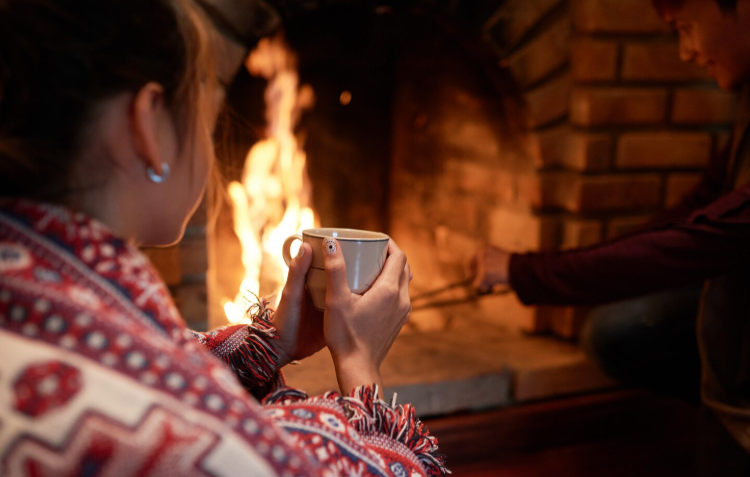
In winter we need warmth to Protect ourselves from the cold for warmth , we use a room heater , which runs on electricity and warm the room without any problem . A room heater is especially needed at night and when the weather is very chill but in the past before the era of Electricity people used Traditional brazierto protect them from the cold.
Where a room heater and a traditional brazier differ is in their feel during daily use. A room heater is a modern device that runs on electricity; it starts giving quick heat with only the push of a button. Easy to use and clean, a room heater might also be responsible for increasing an electricity bill, and the heat often feels dry. A traditional brazier, on the other hand, is fired using coal, wood, or Charcoalfor the heat it produces. The heat coming out of a traditional brazier is more Natural, cozy, and closely connected with tradition and culture in many homes. However, it creates smoke and ash, and thus should invariably be used in a well-ventilated place. In other words, a room heater is convenient, while a traditional brazier offers warmth along with a traditional and homely feeling.
A room heater may be harmful to the body if it is used for a long period of time within a closed room. It dries up the air in the room. Dry skin, eyes, throat, and sometimes headaches result. A room heater may guard and protect the body from harm if it is used for a limited period of time and with proper ventilation or placing a basin of water in the room. Such equipment may provide safe and sound warmth.
A conventional brazier is a natural source of heat, but it may also prove dangerous to bodily functions if not handled carefully. This is because, in most cases, smoke and gas emissions in burning charcoal or firewood may result in respiratory problems, irritation of the eyes, dizziness, or even Oxygen deprivation. It may also prove dangerous in a room where it is used, but in a short period, perhaps in a well-ventilated room, it may prove both comforting and heating, though requiring added care.
The brazier must never be placed directly in front of any cloth, which can catch fire easily. It must be kept a little away or any corner of the room , so that the heat spreads out gently and no strong flames or smoke reach to the room. It is advisable to place the brazier on the a stone or metal bottom and never on a wooden platform. There should be good ventilation so that the smoke can go out and the air inside the room remains fresh. The flame must always be kept low or the heat mild; it must never be a strong fire, and it must never be left unattended.
DIY traditional brazier for room
A homemade traditionalbrazier for a home temple can be created by using a Clay pot, clay, and an Iron mesh. First, take aClaypot and carve a big square shape cut at the bottom so that there is proper airflow. This will ensure that the Fire burns at a slower pace and in a safer way. Then, attach a Iron mesh inner wall on outer wall of the Clay pot by using molded clay. After that, use molded clay to seal all joints strongly and let it dry completely. When it is dry, fill it with a small portion of charcoal and ignite it carefully. Ensure that it has low flames so that there is soft warmth and no smoke. The above DIY brazier is very useful for home.
conclusion
A brazier traditionally gives soft warmth and creates a peaceful, traditional atmosphere in the room, though it should be used with great care and in a well-ventilated area. A room heater is much safer and more convenient for regular use, as it gives off quick warmth without smoke emission. A room heater can dry the air if used continuously over a long period. Brazier may be placed in quite spaces provided it’s kept at a good distance away and heat is low.
